
The African mining sector is currently undergoing a fundamental transformation that extends far beyond simple resource extraction. In 2026, the continent has moved past the era of mere exploration and entered a phase of intensive production and infrastructure integration. This shift is driven by a global appetite for critical minerals and a renewed focus on regional economic sovereignty. For decision makers in finance, human resources, and legal compliance, these developments represent both a massive opportunity and a complex logistical challenge. Navigating the legalities of multiple jurisdictions while maintaining operational efficiency is now the primary objective for any firm operating in the region.
Key Takeaways for Global Mining Executives
ESG Maturity: Environmental, Social, and Governance standards are being audited more strictly by international investors and local regulators alike.
Regulatory Complexity: Compliance with local content laws is no longer optional but a core requirement for maintaining a social license to operate.
Workforce Diversification: There is an increasing demand for specialized technical roles in mineral processing and renewable energy integration at mine sites.
Infrastructure Synergy: Project viability is increasingly tied to the success of regional rail and power projects.
Financial Oversight: Managing cross border tax liabilities and expatriate payroll remains a high risk area for multinational firms.
The Strategic Shift Toward Critical Minerals
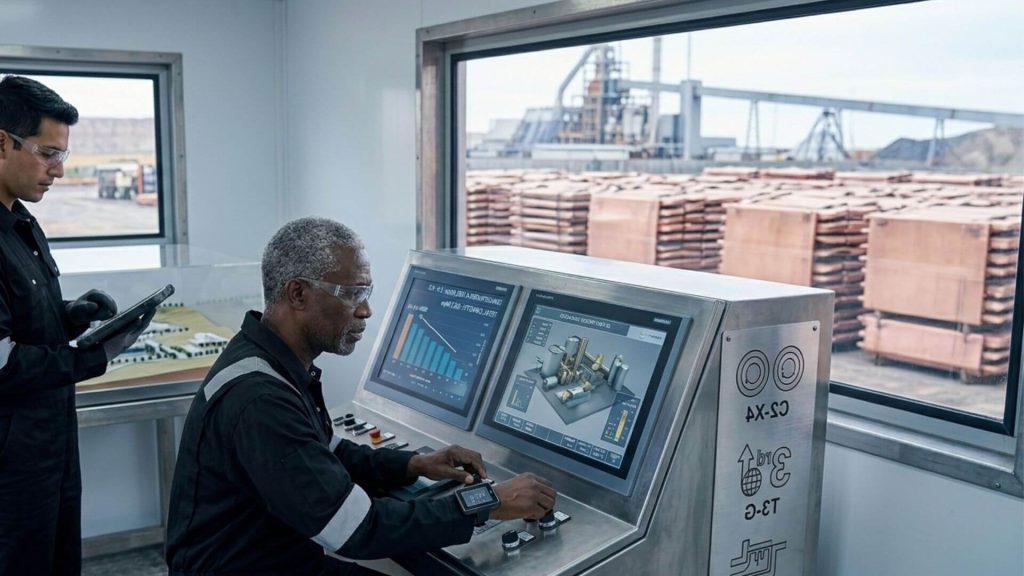
Global energy transitions have placed Africa at the center of the international supply chain. The demand for copper, lithium, and cobalt has reached unprecedented levels, leading to the acceleration of projects that were once considered long term prospects. In 2026, we are seeing the fruition of years of capital investment. These projects are not just extraction points. They are becoming integrated economic hubs that require sophisticated management of labor, tax, and local content regulations.
Kamoa-Kakula Phase 4 Expansion in the DRC
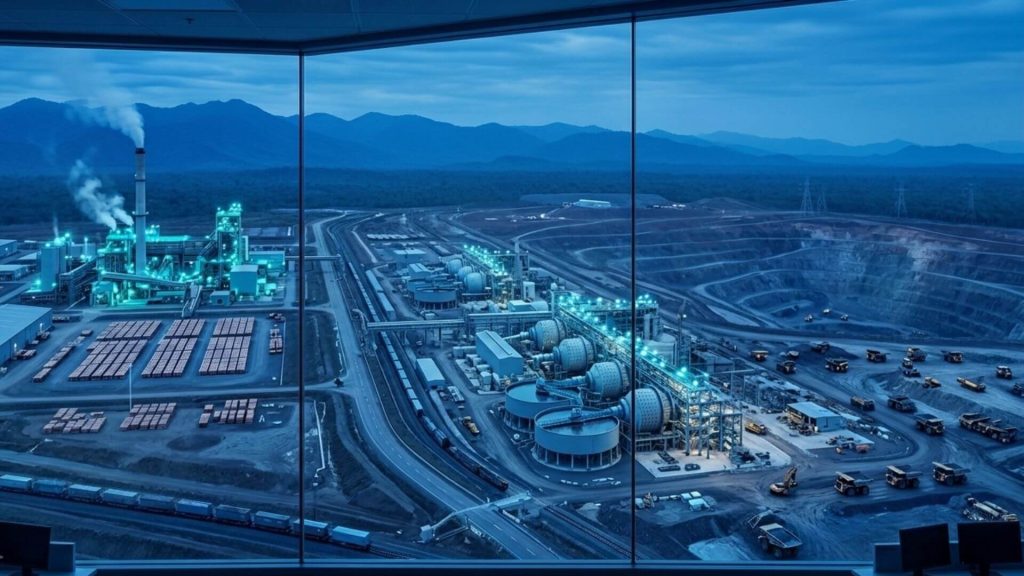
The Kamoa-Kakula copper complex in the Democratic Republic of Congo remains a centerpiece of the global mining industry. With the Phase 4 expansion reaching critical milestones in 2026, the project is positioning itself as one of the largest copper producers globally. For professionals in the mining space, this project serves as a blueprint for handling complex labor requirements in remote environments. The expansion necessitates a massive influx of specialized engineering talent, often requiring the management of intricate visa and work permit processes for an international workforce.
Verified facts about the Kamoa-Kakula Phase 4 Expansion in the Democratic Republic of Congo (DRC):
- Massive Scale-Up & Processing Boost: The Phase 4 expansion is designed as a direct duplicate of the Phase 3 concentrator, aiming to add between 5.0 and 6.5 million tonnes per annum (Mtpa) of processing capacity. Once fully integrated, it will elevate the complex’s total processing capacity to approximately 20–21 Mtpa.
- Path to Global Top 3 Status: Driven by these phased expansions, the Kamoa-Kakula Copper Complex is structured to achieve steady-state production exceeding 500,000 tonnes of copper per year from 2028 onward, positioning it to become the world’s third-largest copper mining complex.
- Supported by Africa’s Largest Smelter: The extra volume from Phase 4 will be processed locally rather than exported as raw concentrate. This is supported by an on-site, direct-to-blister flash copper smelter (the largest in Africa) which successfully produced its first refined copper anodes ahead of schedule.
The Rise of Lithium Production in Zimbabwe
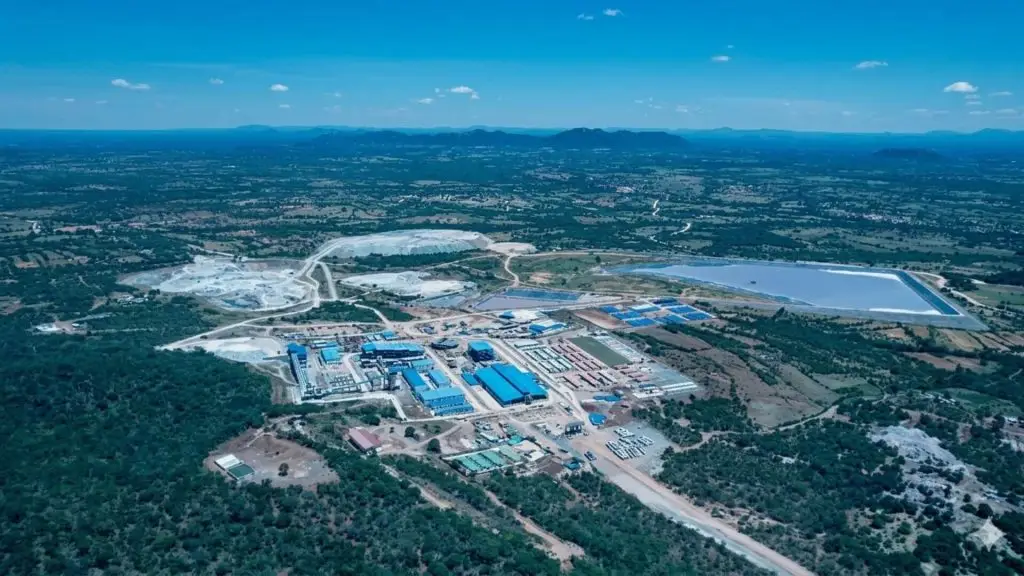
Zimbabwe has emerged as a major player in the lithium market, with several projects hitting full production capacity this year. The focus here has shifted toward value addition and local processing. The government’s insistence on domestic refining means that mining firms must now hire for advanced manufacturing roles, not just traditional excavation positions. This change shifts the human resources burden from simple labor procurement to the acquisition of highly technical skill sets.
Additional facts regarding Lithium Production in Zimbabwe:
- Africa’s Dominant Supplier: Backed by the continent’s largest reserves, Zimbabwe supplies roughly 10% of the entire global lithium market and accounts for nearly 15% of China’s total lithium concentrate imports.
- Aggressive “Value-Add” Export Bans: To stop the flight of raw materials, the government shocked the industry by enforcing a snap export ban on all unrefined lithium concentrates, advancing its strategy to completely outlaw raw shipments in favor of required domestic chemical refining.
- Pioneering Midstream Chemical Hub: Backed by over $3.4 billion in total sector investments (heavily driven by Chinese firms), the country achieved a major milestone by completing and exporting from Africa’s first major commercial lithium sulphate plant, shifting the nation from a basic miner into the lucrative chemical processing tier of the global EV battery supply chain.
Infrastructure and the Mine to Market Pipeline
A mine is only as valuable as the path it takes to reach the global market. In 2026, the success of African mining is inextricably linked to the development of massive infrastructure corridors. These projects are multi billion dollar investments that require coordination between private mining firms, national governments, and international development agencies.
The Lobito Corridor and Regional Integration
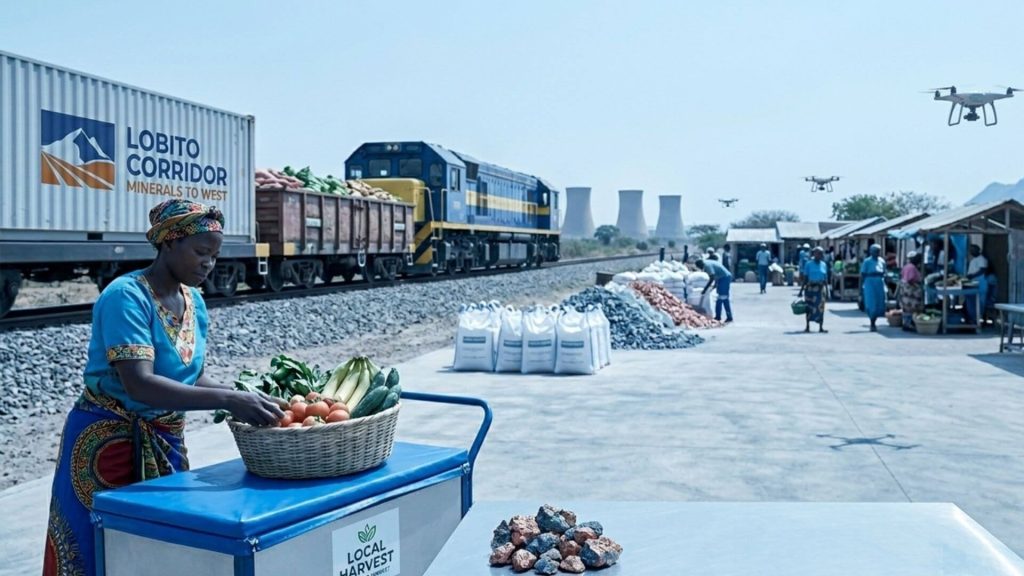
The Lobito Corridor is perhaps the most significant infrastructure development for the mining sector in a generation. Connecting the copper belts of Zambia and the DRC to the Atlantic coast of Angola, this rail and port project is drastically reducing the cost of export. From a business strategy perspective, the corridor changes the feasibility of marginal projects. It also creates a need for logistics and transport professionals who can operate across three distinct legal and tax jurisdictions.
Interest points of the Lobito Corridor and Regional Integration:
- Massive Geopolitical Westward Shift: Spanning roughly 1,300 kilometers from the Atlantic coast of Angola directly into the mineral-heavy “Copperbelt” of the DRC and Zambia, the revitalized railway provides a vital westward route to American and European markets. Backed heavily by the US and the EU’s Global Gateway initiative to counter Chinese dominance, it successfully transported its first major copper and cobalt shipments to the West.
- Drastic Reduction in Transit Bottlenecks: Historically, landlocked mineral exports took several weeks of congested overland trucking to reach Africa’s eastern and southern ports. The Lobito Corridor slashes transit times from the DRC interior down to just 7 days, significantly lowering trading costs and elevating transport efficiency across national borders.
- Catalyst for local and Informal Cross-Border Trade: Beyond massive mineral logistics, the corridor plays a pivotal role in true grassroots regional integration. It actively revitalizes local economies by creating an estimated 30,000 jobs and strengthening informal cross-border trade – which accounts for 30–40% of all intra-regional commerce in Southern Africa – by cleanly re-linking rural agricultural producers directly to major urban markets.
Simandou Iron Ore and Guinean Infrastructure
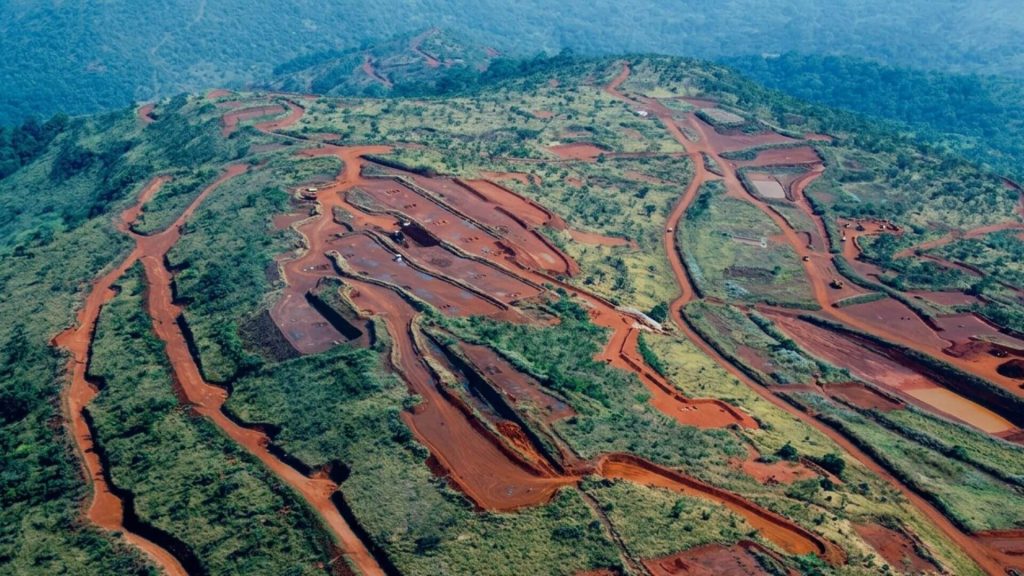
The Simandou project in Guinea is finally moving toward its first production phases. This project includes the construction of a 600 kilometer railway and a deepwater port. The scale of the workforce required for Simandou is staggering. Beyond the miners themselves, the project supports thousands of roles in construction, healthcare, and site services. Managing the payroll for such a diverse and large scale team requires a deep understanding of Guinean labor law and social security requirements.
More on the Simandou Iron Ore and Guinean Infrastructure project:
- Unlocking the World’s Largest Mega-Deposit: The Simandou mountain range holds the world’s largest untapped reserve of high-grade iron ore (boasting over 65%+ pure iron content). Long discussed in purely hypothetical terms due to multi-decade legal battles and extreme logistical hurdles, the mega-project officially crossed into commercial reality by executing its first massive bulk shipments of ore to China.
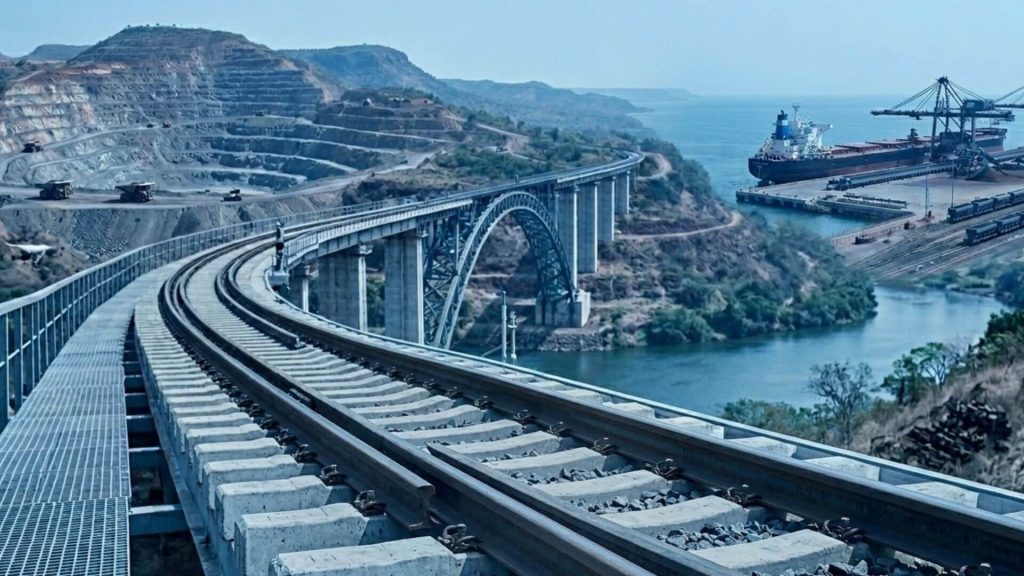
- The Massive Trans-Guinean Engineering Feat: Because the high-grade deposit is buried deep within Guinea’s landlocked southeastern interior, the project required a staggering $20+ billion infrastructure build-out. To bypass foreign borders, an international coalition financed and constructed the Trans-Guinean Railway – a grueling 650-kilometer multi-use track cutting across the entire length of the country, featuring over 200 bridges and 4 tunnels, running straight to the newly engineered deep-water port of Morebaya.
- Explosive GDP Growth with “Narrow” Risk: The sheer scale of the infrastructure and mining boom has catapulted Guinea into becoming Africa’s fastest-growing economy, with the World Bank tracking its GDP growth at a massive 8.8%. However, economists warn this boom sits on a narrow foundation: the project is heavily dominated by Chinese-linked state consortia looking to diversify away from Australian supply, and nearly 100% of the raw material is shipped straight to Asia rather than being processed or transformed into “green steel” domestically.
Navigating the Legal and Financial Risk Environment
Operating in high stakes financial and legal environments requires a level of precision that many internal departments are not equipped to handle. Every African jurisdiction has its own unique set of rules regarding corporate taxation, employee benefits, and termination procedures. In 2026, the cost of non compliance is at an all time high, with regulators imposing significant fines for errors in payroll or tax filing.
Local Content Laws and Community Engagement
Across the continent, from Ghana to Namibia, local content laws are becoming more sophisticated. Governments are no longer satisfied with the employment of local unskilled labor. They are now demanding the inclusion of local firms in the high value supply chain and the training of local citizens for management positions. For a multinational firm, this requires a long term human resources strategy that focuses on skills transfer and succession planning.Additionally this topic Also entails:
- From “Corporate Social Responsibility” to Mandatory Compliance: Across the continent, the regulatory landscape is shifting from voluntary community initiatives to strict, legally mandated local content requirements. Countries like the DRC, Mauritania, and Zambia have tightened laws that now legally require mining companies to meet specific quotas for hiring local staff and prioritizing domestic suppliers, moving these obligations from “nice-to-have” perks into the realm of mandatory operational licensing.
- The “Implementation Gap” Challenge: While legislation is aggressive, a persistent “implementation gap” remains a major barrier. Many nations face a mismatch between government mandates for local procurement and the actual technical capacity of local industries. Consequently, the most successful mining projects—such as those in the Simandou or Kamoa-Kakula corridors—are now those that proactively invest in upskilling local workforces and training domestic contractors, effectively acting as “capacity builders” to ensure they can legally comply with national requirements.
- The Evolving “Social License to Operate”: The concept of a “Social License to Operate” (SLO) has evolved from a one-time permit into an ongoing, renewable social contract. In the current investment climate, failing to secure community buy-in through transparent ESG (Environmental, Social, and Governance) practices is increasingly seen as a high-level operational risk. Companies are finding that integrating communities into the decision-making process—rather than just managing their reactions—is the most effective way to avoid costly project delays and litigation.
Tax Harmonization and Cross Border Payroll
For companies operating across multiple African borders, the challenge of tax harmonization is significant. Each country has different withholding tax rates, social security contributions, and personal income tax brackets. Managing a mobile workforce that moves between a project in Zambia and a headquarters in South Africa requires a robust system that can track residency status and ensure that tax is paid correctly in every jurisdiction. This is a critical area of financial risk that requires expert oversight.
Within Tax Harmonization and Cross-Border Payroll some key points to consider are:
- The Remote-Work Jurisdictional Trap: The explosive rise of global mobility and remote work has outpaced traditional tax frameworks, turning cross-border payroll into a severe regulatory minefield. Under current enforcement standards, if an employee works from a secondary country for even a few weeks, they can inadvertently trigger localized corporate “permanent establishment” risks and retroactive payroll tax liabilities for their employer.
- The African Tech Leap Against Tax Leakage: To combat base erosion (losing tax revenue to other jurisdictions) as the African Continental Free Trade Area (AfCFTA) expands, regional economic blocks are forcing a rapid shift from manual compliance to automated digital reporting. Countries are actively synchronizing their indirect tax and payroll systems with regional frameworks to create unified electronic invoicing and automated data-sharing nodes, minimizing compliance leakage across borders.
- Global Minimum Tax vs. “The Race to the Bottom”: The widespread rollout of the OECD’s Pillar Two global minimum tax framework is effectively dismantling the legacy corporate strategy of using low-tax jurisdictions for cross-border payroll and profit shifting. With major economies—including South Africa—actively integrating the 15% effective minimum tax into their domestic legislation, multinational operations are being forced to completely restructure their global employee compensation models to ensure tax compliance matches real physical substance.
Sustainable Mining and the Green Transition
The concept of “green mining” is no longer a marketing slogan but a functional requirement in 2026. Global buyers of minerals like cobalt and copper are demanding full traceability and a low carbon footprint for the materials they purchase. This has led to the integration of renewable energy projects directly into mining operations.
Solar and Wind Integration at Remote Sites
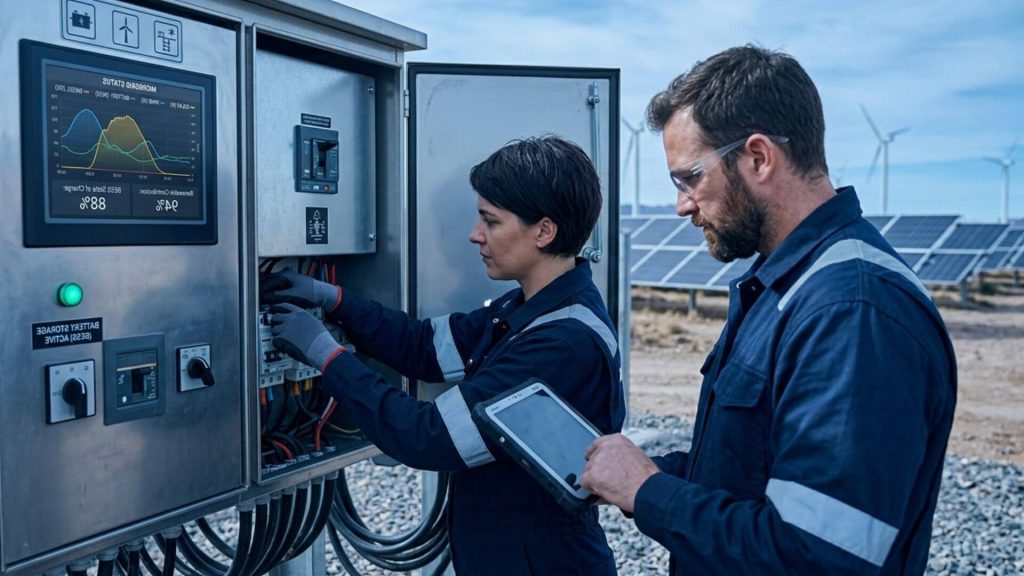
Many new mining projects in 2026 are being built with dedicated solar or wind farms. These hybrid power systems reduce the reliance on expensive and carbon intensive diesel generators. From a workforce perspective, this introduces a new category of employees to the mine site: renewable energy engineers and technicians. These roles often fall outside the traditional scope of mining labor and require specific contract management and safety protocols.
Some Primary points of Solar and Wind Integration at Remote Sites:
- Drastic Cost and Fuel Reduction: Remote operations (particularly off-grid mines) have historically relied entirely on expensive, logistics-heavy diesel and heavy fuel oil (HFO). Integrating hybrid solar, wind, and battery storage systems allows operators to shut down multiple fossil-fuel generators during peak hours, slashing fuel consumption and operating costs by up to 40% to 70%.
- The “Spinning Reserve” Battery Fix: The primary hurdle for remote renewable integration is intermittency (sudden cloud cover or dropping wind). To prevent catastrophic grid collapse, modern microgrids integrate advanced Battery Energy Storage Systems (BESS) and intelligent controllers that absorb frequency drops within milliseconds, replacing the wasteful practice of running diesel generators 24/7 just as a standby safety net.
- The Post-Mining “Brightfield” Lifecycle: Mining companies are actively building large-scale renewable infrastructure with the mine’s entire lifecycle in mind. Once the underground resources are completely depleted, operators are increasingly executing structured transitions to transform contaminated or rehabilitated brownfields into permanent regional clean energy hubs (known as “brightfields”) to support local community electrification.
Water Management and Environmental Stewardship
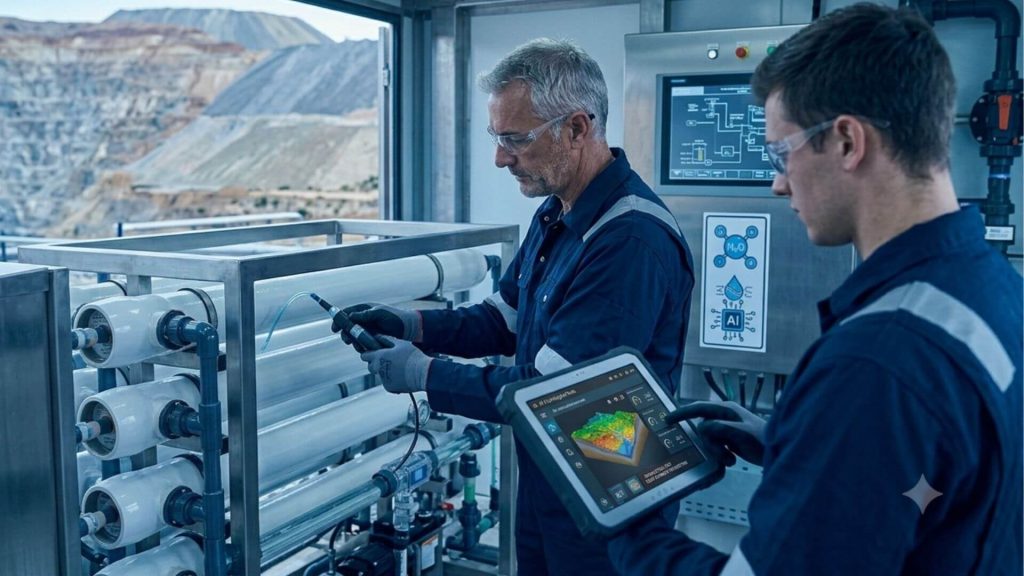
Water scarcity is a major concern in regions like the Northern Cape of South Africa and parts of Namibia. Mining projects are now investing heavily in desalination and water recycling technologies. These environmental initiatives are closely watched by local communities and international NGOs. Success in this area is essential for maintaining a positive reputation and ensuring the long term sustainability of the project.
Points to consider regarding Water Management and Environmental Stewardship in heavy industry and mining:
- The Shift to Dry-Stack Tailings: To prevent catastrophic dam failures and massive water loss, operations are rapidly transitioning from conventional liquid slurry dams to “dry-stack” filtered tailings. This advanced engineering method dewaters waste material, enabling sites to recover and immediately reuse 30% to 40% more process water while vastly shrinking their environmental footprint.
- Closed-Loop, Near-Zero Discharge Arrays: Driven by intense global water scarcity and rigid compliance laws, over 60% of major industrial sites now deploy advanced closed-loop recycling loops. Utilizing hybrid filtration systems (like reverse osmosis and chemical precipitation), these facilities recycle up to 80% of their operational wastewater internally, drastically decreasing freshwater withdrawals from local aquifers.
- AI-Driven Hydrological Twins: Environmental stewardship has gone digital with the introduction of predictive AI and cloud-based subsurface modeling. Operators now use real-time IoT sensors and satellite telemetry to build digital twins of entire local watersheds, allowing them to instantly detect chemical plumes, track groundwater boundary variations, and proactively prevent acid rock drainage before it breaches the site.
The Role of Automation and Technology
Technology is reshaping the way mines are managed in Africa. In 2026, we are seeing the rollout of autonomous haulage systems and remote operating centers. While this increases efficiency and safety, it also changes the profile of the ideal employee.
The Evolving Skill Gap in African Mining
The shift toward automation has created a temporary skill gap in the local labor market. There is a high demand for data analysts, software engineers, and automation specialists who can maintain these complex systems. Forward thinking companies are addressing this by partnering with local universities and vocational schools to develop specialized training programs. This proactive approach to labor development is viewed favorably by government regulators and helps to secure the future of the mining operation.
Interestingly within the Evolving Skill Gap in African Mining:
- The Automation and Tech Misalignment: As mining companies rapidly deploy autonomous haulage systems, remote operating centers, and AI-driven telemetry, the profile of the ideal employee has fundamentally shifted. The industry faces an immediate local shortage of data analysts, software engineers, and automation specialists capable of managing and maintaining these highly complex, digital ecosystems.
- From Manual Shovels to Chemical Manufacturing: Stricter local content laws and regional export bans on raw minerals (such as in Zimbabwe and the DRC) are forcing a rapid transition toward domestic refining. This structural shift requires mining houses to hire heavily for advanced metallurgical and chemical manufacturing roles rather than traditional excavation labor, leaving local communities rushing to upskill to prevent a dependency on an international workforce.
- Institutional Restructuring to Fight Brain Drain: Rather than relying solely on standard recruitment, major industry bodies—such as South Africa’s Mining Qualifications Authority (MQA)—and universities are actively overhauling their curriculums to emphasize future-oriented occupations. They are co-creating specialized vocational pipelines and TVET (Technical and Vocational Education and Training) partnerships to simultaneously bridge the tech gap and prevent the “brain drain” of skilled African engineers to foreign jurisdictions
Remote Monitoring and Global Collaboration
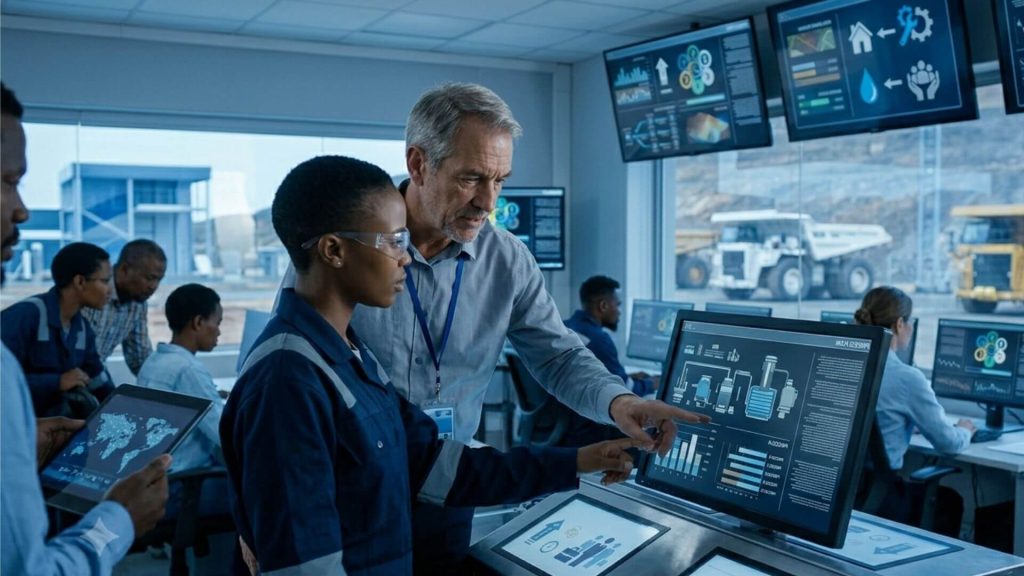
With the advent of high speed satellite internet at remote mine sites, engineers in Perth or Johannesburg can now monitor operations in the DRC in real time. This global collaboration is essential for troubleshooting and optimization. However, it also creates complex legal questions regarding where work is actually being performed and which country’s labor laws apply to remote workers. Professional guidance in these matters is essential to avoid accidental legal liabilities.
Some major points of Interest on this topic are:
- Rise of Next-Gen IROCs: Heavy industries are transitioning from localized on-site control rooms to centralized Integrated Remote Operations Centers (IROCs). Situated thousands of miles away from actual sites in major metropolitan hubs, these 24/7 facilities pull data via 5G networks, allowing centralized teams to monitor asset health and track employee fatigue in real time.
- The “Digital Twin” Ecosystem: Global collaboration is now anchored heavily by live digital twins—virtual, real-time 3D replicas of physical sites and processing infrastructure. By layering IoT sensor data onto cloud platforms, on-site personnel can seamlessly collaborate with international equipment manufacturers (OEMs) and off-site subject matter experts to diagnose anomalies and deploy predictive maintenance scripts instantly.
- Massive Operational Cost Slashing: Transitioning to unified remote operating frameworks aggressively optimizes both productivity and safety. Aggregated data from global tech deployments demonstrates that shifting to a centralized remote-monitoring infrastructure slashes total site operational costs by 20% to 30%, reduces hazardous human-to-machine interactions by 15%, and cuts unnecessary emergency site travel by roughly 10%.
Frequently Asked Questions on African Mining
What are the biggest risks for mining investors in 2026? The primary risks involve regulatory shifts, specifically changes to mining codes and tax laws. Additionally, managing a large, diverse workforce across multiple jurisdictions presents significant operational and legal challenges.
How do local content laws affect recruitment? Local content laws often mandate that a specific percentage of the workforce and the supply chain must be comprised of local citizens and businesses. This requires companies to invest heavily in local training and development to meet the required standards.
Is it difficult to manage payroll for expatriates in Africa? Yes, it is highly complex. Each country has specific rules for expatriate taxation, social security, and the duration of stay. Failure to comply can lead to the revocation of work permits and significant financial penalties.
What role does ESG play in project financing? ESG is now a prerequisite for securing finance from major international banks. Projects must demonstrate a clear plan for community engagement, environmental protection, and transparent corporate governance to be considered viable.
How can companies ensure compliance in multiple countries? The most effective way is to partner with local experts who specialize in the labor and tax laws of specific African regions. This allows the mining company to focus on its core operations while ensuring that all administrative and legal requirements are met.
The Future of Workforce Management in Mining
As we look toward the remainder of 2026 and beyond, the success of the African mining sector will be defined by its people. The ability to attract, train, and retain a high quality workforce is the ultimate competitive advantage. This involves not only offering competitive salaries but also providing a safe, compliant, and stable working environment.
Employee Wellness and Safety Standards
In the modern mining environment, safety is the highest priority. This includes both physical safety on the job and the overall mental and physical wellness of the employees. Providing high quality onsite medical care, healthy living conditions, and mental health support is now standard practice for the industry’s leaders. This focus on wellness leads to higher productivity and lower turnover rates, which directly impacts the bottom line.
Diversity and Inclusion in the Mining Sector
There is a growing emphasis on increasing the representation of women in the mining workforce, particularly in technical and leadership roles. Companies that actively promote diversity are finding that they have access to a broader talent pool and benefit from a wider range of perspectives. Initiatives to support women in mining are being championed by both corporate leaders and government officials across the continent.
Strategic Planning for 2026 and Beyond
For any organization involved in the African mining landscape, the roadmap for 2026 requires a balance of technical expertise and administrative excellence. The projects mentioned above are the engines of growth, but the fuel for that growth is a compliant, well managed, and highly skilled workforce. Success depends on the ability to navigate the intricacies of the African business environment with confidence and precision.
The complexity of these tasks cannot be overstated. From the initial stages of securing work permits for a specialized engineering team to the ongoing management of a multi national payroll system, every step requires a deep understanding of local conditions. In a landscape as dynamic as the African mining sector, having a partner who understands the ground level reality is indispensable.
Africa Deployments Ltd provides the essential framework for this operational success. By offering comprehensive solutions in Employer of Record services, payroll management, and human resources outsourcing, they allow mining firms to navigate the very challenges discussed in this article. Whether a project is scaling up in the DRC or establishing a new presence in Guinea, Africa Deployments Ltd ensures that the administrative foundation is secure. This allows companies to focus on the technical and strategic aspects of their projects while knowing that their most valuable asset, their people, are being managed with the highest level of professional care and legal compliance. As the 2026 mining landscape continues to reshape the continent, this partnership remains a cornerstone of sustainable and successful resource development.